



So, you've found yourself down a rabbit hole at midnight, googling "how long do hair extensions last" the week before a big event. Whether it's a wedding, a reunion, or just an "I want to feel like myself again" moment, extensions feel like the answer. But are they worth it?
Honestly? That depends on two things: the type of extensions you go with, and how well you look after them.
Some last a few weeks. Some years ago. Some take two hours to put in, others take two seconds. The difference between loving your extensions and regretting them usually comes down to picking the right type for your lifestyle, not just your hair goals.
Average Lifespan of Different Hair Extension Types
Not all extensions are the same, and which extensions last the longest depends on the type you choose.
Here's a side-by-side look to make it easy:
Key Factors That Affect How Long Hair Extensions Last
Even the priciest extensions won’t last if you don’t care for them properly. Here are the main factors that affect their lifespan.
Hair Quality
This one matters more than most people realize. Human hair extensions last significantly longer than synthetic ones because they behave like your own hair. You can wash and heat-style them, and they age more gracefully. Synthetic hair tangles easily, loses its texture quickly, and doesn’t handle heat well.
How Often You Wear Them
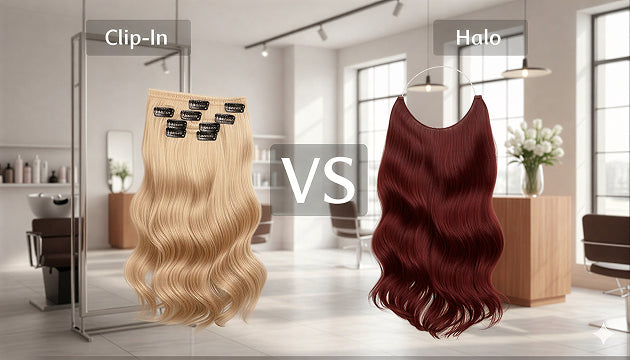
Removable extensions have a real advantage here. With halos and clip-ins, you decide when to wear them. You can take them out at night or skip them on lazy weekends, so they last longer because they aren’t always under stress. Semi-permanent options like keratin bonds, tape-ins, and sew-ins stay in all the time, so they’re exposed to sweat, friction, sleep, and washing every day. This naturally wears them out faster.
Heat and Styling
Using heat tools often is one of the quickest ways to shorten the life of your extensions. High heat dries out the hair cuticle, which can cause frizz, breakage, and dullness. This is true for both your own hair and your extensions. Always use a heat protectant and try to keep the temperature low when you can.

Products Used
Sulphate-heavy shampoos, heavy oils near the bonds or tape, and alcohol-based products can all weaken the bonds and dry out the hair. Extensions do best with lightweight, sulphate-free products and by keeping buildup around the roots to a minimum.
Lifestyle Factors
Swimming, excessive sweating, and even sleeping with extensions in can all wear them out over time. Semi-permanent extensions go through all of this, but with removable ones, you can avoid most of the damage just by taking them out when needed.
Signs Your Hair Extensions Need to Be Replaced or Reinstalled
Here are some signs to watch for.
-
- Matting and Tangling: Some tangling is normal, but if your extensions are matting at the roots or in the middle even after washing and conditioning, the cuticle is likely too damaged to fix. At that point, no amount of product is going to fix it.
- Excessive Shedding: Some shedding is normal, especially with clip-ins and halos when you take them out. But if you notice large amounts coming out when you brush or wash, the weft is wearing out, and it’s time for a change.
- Noticeable Color Fade or Texture Change: Extensions don’t get natural oils like your own hair, so they can dry out, fade, and lose their texture over time. If the color doesn’t match anymore or the hair feels rough and straw-like, their lifespan is up.
- Slipping or Loosening Attachments: If you have tape-ins, micro-links, or sew-ins, slipping bonds mean it’s time for a reinstallation. Loose attachments can also put unnecessary tension on your natural hair, which isn’t good.
- Flat, Lifeless Volume: If your extensions used to add thickness and body but now look limp and thin, they’ve just worn out. Hair strands get weaker over time, especially if you style them a lot.
Whether to Replace or Reinstall?
For semi-permanent extensions like tape-ins and sew-ins, you usually don’t need a full replacement. Most of the time, you just need to have them reinstalled. The wefts might still be in good shape and only need to be put back in as your hair grows.
With halos, you don’t need to worry about reinstallation. There’s no bond to fix and no salon visit needed. If the wire feels loose, you can adjust it yourself in seconds. When the hair finally needs replacing after a year or two, just order a new weft. There’s no appointment or waiting time.
Expert Care Tips to Make Hair Extensions Last Longer
How you look after your extensions is just as important as the type you choose. The difference between extensions that last only a few months and those that last over a year often comes down to a handful of simple habits. Here's what really helps:
Washing & Conditioning
Less is more when it comes to washing extensions. Unlike your scalp, extensions don't produce natural oils, so they don't need washing as frequently as your natural hair. Washing too often strips them of moisture and makes them dry and tangled. Try to wash them every two or three wears instead of every day.
Always choose a sulphate-free shampoo. Sulphates are too harsh and will break down the cuticle faster, making it dull and more likely to tangle. After shampooing, use a light, hydrating conditioner on the mid-lengths and ends. If you have bonded extensions, avoid putting conditioner near the roots because buildup can weaken the bonds over time.
If you wear Halo extensions, follow this guide on how to wash Halo extensions to keep them in the best condition between wears.
Drying & Styling
Letting your extensions air dry is always best. If you need to use a blow dryer, set it to low or medium heat setting and keep the dryer moving.
Always use a heat protectant spray before using any hot tools on your extensions, including straighteners, curling wands, and blow dryers.
Brushing & Detangling

Always begin brushing at the ends and move up toward the roots. If you start at the roots and brush down, you can turn a small tangle into a big knot that takes a long time to fix.
If you use removable extensions like clip-ins or halos, brush them before and after each use. For semi-permanent extensions, gently brush them in the morning and at night to prevent matting and reduce tension on your natural hair.
General Maintenance Tips
Some simple habits beyond washing can help your extensions last for months longer.
-
- Pillowcase matters: Swap your regular pillowcase for a silk or satin one. Cotton creates friction as you move in your sleep, leading to tangling, frizz, and gradual wear on the hair fiber.
- Braid your hair before bed: If you wear semi-permanent extensions overnight. A loose braid helps prevent tangles in the morning and reduces tension on your natural hair while you sleep.
- Avoid swimming where possible: Chlorine and saltwater remove moisture aggressively and can weaken the bonds on tape-in and keratin extensions. If you do swim, put your hair up and rinse it well right after.
- Store removable extensions the right way. Keep halos and clip-ins in a box, lay them flat, or hang them on a halo hanger between uses. Leaving them loose in a drawer will make them wear out much faster.
Real Talk: What People Say About How Long Extensions Last
The most helpful advice often comes from people who have tried several types of extensions and share their honest opinions online. Here’s what most people agree on.
Tape-ins: The hair itself usually holds up well, but having to go back to the salon every 7 to 9 weeks is what turns people off. Most are surprised by how quickly the reinstallation costs add up. ''I would only ever have tape ins. I love them. But only getting maintenance done every 3 months doesn’t seem enough to me, I have to get mine every 9 weeks- that’s the exact point they all start to come out.''- Aggravating-Ant-6767

Sew-ins: Many people say extensions can be a confidence boost, but the ongoing cost and upkeep can become stressful over time.
''Your hair looks great! I got tape on extensions for years and they definitely helped build up my confidence. I had to stop because of the cost, but I miss them so much :('' - Aknown
''This is exactly what I just did! Going on two months with my extensions and so far when I get the urge to pull at my ends I remember how much $$ I spent on these'' - New-Wing-7444

Halo extensions: Many women switch to halos after experiencing damage from other methods and are surprised by how well they work. One Reddit user shared: kdv2019 ''I tried tape ins once and they unfortunately really damaged my hair. I’ve exclusively used halo hair extensions for the last 5 years and love them.''

Low-maintenance options: When people want extensions that are easy to manage long-term, halo and clip-in types are almost always the top choices. There are no bonds, no salon visits, and no confusion. One user summed it up well: “Honestly for occasional wear I’d go with a halo—super easy to pop on and off without messing with your hair too much. Clip-ins are great too but can feel a bit more time-consuming.” - TangledMuse03

Frequently Asked Questions
How long do halo hair extensions last?
If you take care of them, good-quality halo extensions can last 1 to 2 years. If you remove them each day and store them safely, they don’t wear out as quickly as permanent extensions.
How long do clip-in hair extensions last?
Clip-in extensions can last from 3 to 12 months, depending on the hair quality and how often you wear them. Human hair clip-ins last longer if you care for them regularly.
How long do tape-in hair extensions last?
The hair in tape-in extensions can last 6 to 12 months, but you’ll need to have the tape bonds refreshed at a salon every six to eight weeks. This method does require regular maintenance.
How long do sew-in hair extensions last?
Sew-in extensions usually need to be reinstalled every 6 to 8 weeks as your hair grows out and tension builds. You can reuse the wefts, but the installation needs ongoing care.
How much does a full set of hair extensions cost?
The cost depends on the type of extension. Clip-ins and halos are a one-time purchase. Halos usually range from $50 to $400 or more. Semi-permanent options like tape-ins and keratin bonds have an initial price and ongoing salon fees, which can be $200 to $600 or more each time you reinstall them.
Do extensions damage hair growth?
Extensions can affect hair growth, depending on the method. Styles that put constant tension on your scalp, like tight sew-ins, heavy clip-ins worn every day, or bonds placed too close to the root, may stress your hair follicles over time. Removable extensions worn occasionally are much less risky.
How long do glued-in extensions last?
Keratin or fusion bond extensions usually last 3 to 6 months. Removing them involves heat and chemicals, which can put stress on your natural hair if done repeatedly.
What is the healthiest hair extension method?
When it comes to scalp tension, chemical exposure, heat damage, and daily stress on your natural hair, halo extensions are the healthiest choice. They don’t attach to your hair, use glue, or require heat, so there’s no ongoing tension. You simply put them in and take them out, leaving your natural hair untouched. This is especially important for people with fine, fragile, or damage-prone hair.

Leave a comment
This site is protected by hCaptcha and the hCaptcha Privacy Policy and Terms of Service apply.